
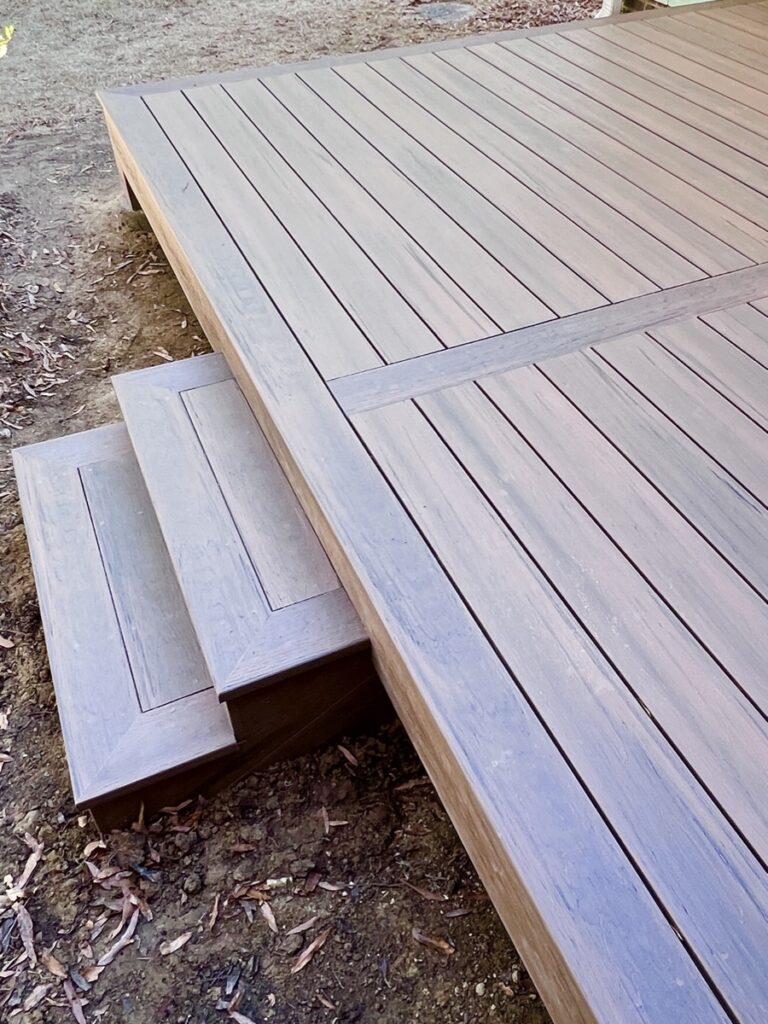
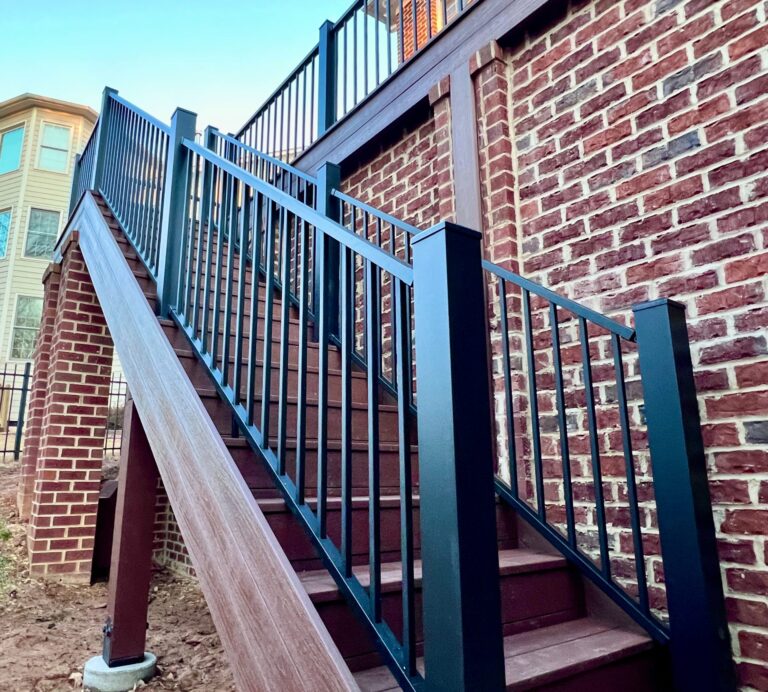
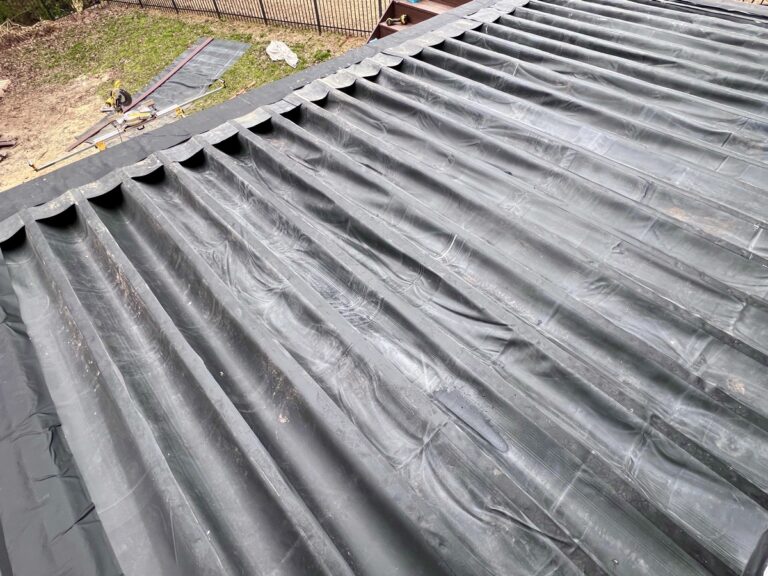
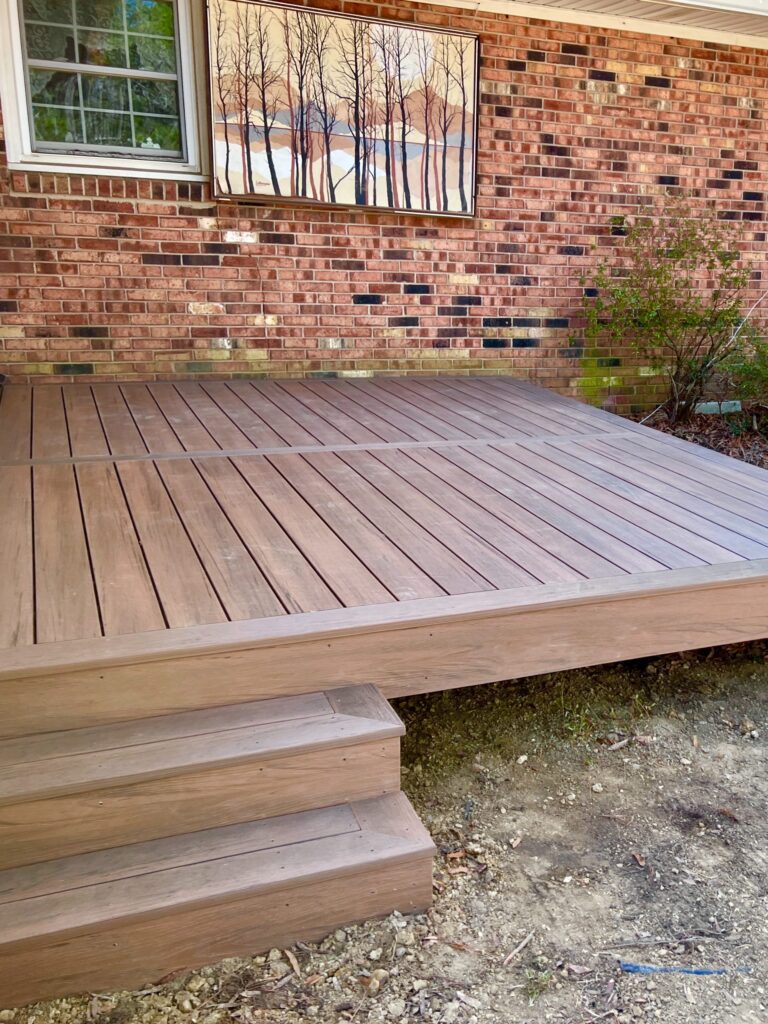
Before you spend real money on a deck, it is fair to ask what you get back. Is it purely an expense for your own enjoyment, or does it move the needle when you sell? The short answer for Triangle homeowners is encouraging: a well-built deck is one of the more dependable outdoor investments you can make, both in resale value and in the years of use you get before you ever list the house. Here is what the numbers say and what actually drives them in our market.
The resale numbers
Across the national data, homeowners tend to recoup somewhere between 65 and 80 percent of a deck project at resale, and it consistently ranks among the top outdoor improvements for return on investment. A new deck adds real appraised value, and beyond the appraisal, it does something harder to put a number on: it makes the house show better and sell faster. In a competitive market, a finished outdoor living space is one of the features buyers stop and picture themselves using.
Two things are worth understanding about that percentage. First, it is a range, not a promise, and where you land inside it depends on build quality and how well the deck fits the home. Second, the resale figure is only part of the story. Unlike a lot of remodels, a deck pays a second dividend every single weekend you use it.
Why decks return more in the Triangle
Return on a deck is not the same everywhere, and our region is favorable. ROI on outdoor living runs highest in warmer climates where the space gets used across more of the year, and the Triangle qualifies. A Raleigh or Cary buyer expects to spend spring, summer, and fall outdoors, so a quality deck reads as usable living space rather than a seasonal extra. Add the region’s strong, steady housing demand, and outdoor improvements that would be a tough sell in a colder market carry real weight here.
What raises the return, and what lowers it
Not every deck returns the same. These are the factors that push your ROI up or down:
- Build quality and permits. A deck built to code, permitted, and inspected is an asset at closing. An unpermitted deck can become a problem during the sale, sometimes forcing a price cut or a scramble to get it approved after the fact. Doing it right the first time protects the value. See how the permit side works in our Wake County permit guide.
- Material and maintenance. A low-maintenance surface reads as a benefit to buyers who do not want a staining chore every few years. It also still looks good on listing day, where a neglected wood deck can drag down the whole backyard.
- Fit and proportion. A deck scaled and styled to match the house adds more than an oversized or awkward one that overwhelms the yard or clashes with the home.
- Condition. A deck that has been cared for shows its value. Even composite benefits from basic upkeep, which we cover in how to clean and maintain a composite deck.
The return you cannot put on an appraisal
Focus only on resale percentage and you miss the biggest part of the value. A deck is used, not just owned. Every dinner outside, every morning coffee in the tree canopy, every birthday and cookout is part of the return, and unlike most home improvements you collect it for years before you sell. When homeowners tell us the deck became their favorite part of the house, that is ROI too, even if no appraiser writes it down. The financial return is the floor, not the ceiling.
How to protect the value you build
If resale is on your mind, three things matter most: build it to code and keep the permit paperwork, choose a material that will still look good in ten years, and hire a crew that stands behind the work. Every deck we build is permitted, inspected, and constructed by a Neuse River Deck Company crew on our own payroll, and it is backed by a real warranty. That combination is what turns a deck from a cost into an asset.